
CELTUIDE (semaglutide) Injection vs Other Type 2 Diabetes Medicines
HOW CELTUIDE COMPARES
CELTUIDE® (semaglutide injection) is a once-weekly GLP-1 receptor agonist designed to help adults with type 2 diabetes improve blood sugar control. When used together with diet and exercise, CELTUIDE® supports significant reductions in A1C levels and helps many patients reach recommended glycaemic targets.
Celtuide vs Trulicity
Both Celtuide® (semaglutide) and Trulicity® (dulaglutide) belong to a class of medicines called GLP-1 receptor agonists, which help lower blood sugar levels in adults with type 2 diabetes.
Both treatments are administered once weekly by subcutaneous injection and are typically used alongside diet, exercise, and other diabetes medications such as metformin.
Key Differences

Celtuide
- Contains semaglutide, a GLP-1 receptor agonist
- Administered once weekly using a prefilled injection pen
- Administered once weekly using a prefilled injection pen
Trulicity
- Contains dulaglutide, another GLP-1 receptor agonist
- Also administered once weekly
- Designed to help control blood glucose levels in adults with type 2 diabetes
Celtuide vs Bydureon
Celtuide and Bydureon are both injectable medications used to help manage blood sugar levels in adults with type 2 diabetes.
Both medications work by activating GLP-1 receptors, which help regulate blood sugar by increasing insulin release, reducing glucagon secretion, and slowing gastric emptying.
Key Differences
Celtuide
- Contains semaglutide
- Administered once weekly using a prefilled injection pen
- Designed to support improved glycaemic control and A1C reduction
Bydureon
- Contains extended-release exenatide
- Also administered once weekly
- Helps improve blood sugar control as part of a diabetes management plan
Celtuide vs Januvia
Celtuide and Januvia are different types of medications used to help manage type 2 diabetes.
While both aim to improve blood sugar control, they belong to different drug classes and are administered differently.
Key Differences
Celtuide
- A GLP-1 receptor agonist containing semaglutide
- Administered as a once-weekly injection
- Helps regulate blood sugar through multiple mechanisms including insulin stimulation and slowed gastric emptying
Januvia
- A DPP-4 inhibitor containing sitagliptin
- Taken as a once-daily oral tablet
- Works by increasing natural incretin hormone levels to support insulin release
Celtuide vs Lantus
Celtuide and Lantus are used to manage blood sugar levels in people with diabetes, but they work in different ways.
Key Differences
Celtuide
- A GLP-1 receptor agonist injection containing semaglutide
- Administered once weekly
- Helps regulate blood sugar by improving insulin secretion, reducing glucagon release, and slowing digestion
Lantus
- A long-acting insulin (insulin glargine)
- Administered once daily by injection
- Provides a steady level of insulin to help control blood glucose levels throughout the day
CELTUIDE HELPS CONTROL BLOOD SUGAR AND WEIGHT
CELTUIDE is a prescription medicine used to help adults with type 2 diabetes improve blood sugar control when used along with a balanced diet and regular physical activity. It works by activating GLP-1 receptors that help regulate glucose levels, support insulin release when blood sugar rises, and slow gastric emptying.
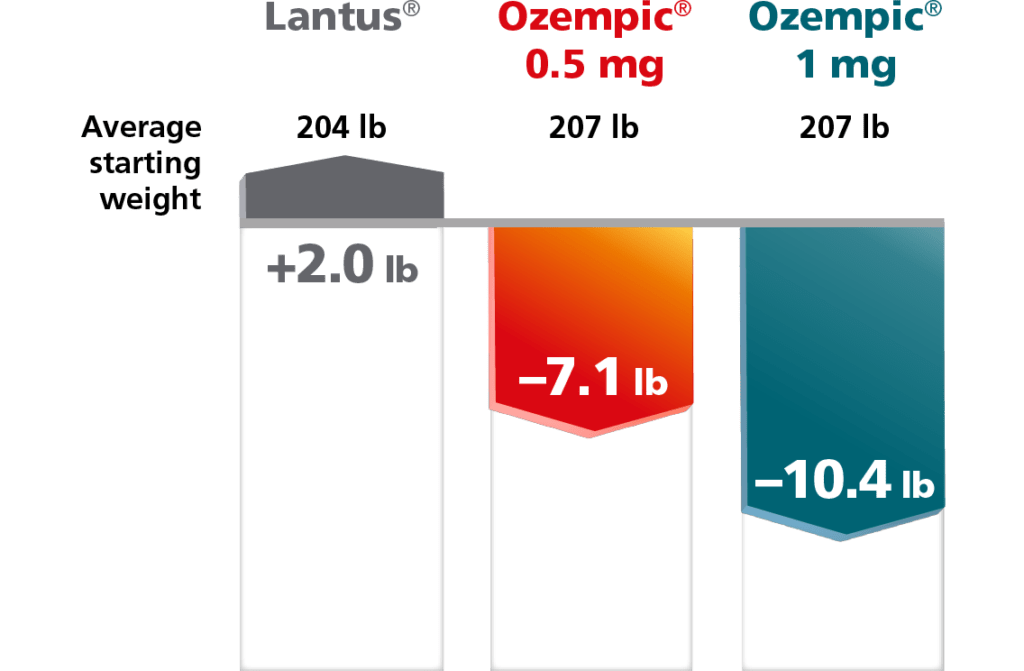
Although some patients may experience weight changes during treatment, CELTUIDE is not approved as a weight-loss medication. Its primary purpose is to help improve glycaemic control and support long-term diabetes management.
Celtuide vs Trulicity
Celtuide (semaglutide) and Trulicity (dulaglutide) are both GLP-1 receptor agonist medicines used to help improve blood sugar control in adults with type 2 diabetes. Both treatments are administered as once-weekly injections and are often prescribed together with diet, exercise, and other diabetes medications such as metformin.
Celtuide works by stimulating insulin release when blood sugar levels rise, reducing glucagon secretion, and slowing gastric emptying. These actions help lower A1C levels and support better daily glucose control.
Trulicity works in a similar way by activating GLP-1 receptors to help regulate blood sugar levels. Your healthcare provider will determine which therapy may be most appropriate based on your treatment goals, medical history, and response to therapy.
Key Differences
Celtuide
- Contains semaglutide, a GLP-1 receptor agonist
- Administered once weekly using a prefilled injection pen
- Administered once weekly using a prefilled injection pen
Trulicity
- Contains dulaglutide, another GLP-1 receptor agonist
- Also administered once weekly
- Designed to help control blood glucose levels in adults with type 2 diabetes
Celtuide vs Bydureon
Celtuide and Bydureon are injectable medications used to help manage blood glucose levels in adults with type 2 diabetes. Both belong to the GLP-1 receptor agonist class of medicines, which help regulate blood sugar by improving insulin response and reducing glucose production.
Celtuide contains semaglutide and is administered once weekly using a prefilled injection pen designed for convenient dosing.
Bydureon contains extended-release exenatide and is also administered once weekly. Both medications may help improve A1C levels when used alongside lifestyle changes and other prescribed diabetes treatments.
Celtuide vs Januvia
Celtuide and Januvia are both used to improve blood sugar control in adults with type 2 diabetes, but they belong to different medication classes and are administered differently.
Celtuide is a GLP-1 receptor agonist injection taken once weekly. It helps regulate blood sugar by stimulating insulin release when glucose levels increase and slowing digestion to improve glycaemic control.
Januvia (sitagliptin) is a DPP-4 inhibitor taken as a once-daily oral tablet. It works by increasing the body’s natural incretin hormones that help regulate blood sugar levels.

Selected Important Safety Information:
Celtuide may cause serious side effects, including:
- gallbladder problems. Gallbladder problems have happened in some people who take Celtuide. Tell your health care provider right away if you get symptoms which may include: pain in your upper stomach (abdomen), fever, yellowing of the skin or eyes (jaundice) or clay-colored stools
Celtuide vs Lantus
Celtuide and Lantus are both used to help manage blood sugar levels in people with diabetes, but they work through different mechanisms.
Celtuide is a GLP-1 receptor agonist injection that helps improve blood sugar control by stimulating insulin secretion, reducing glucagon release, and slowing gastric emptying. It is administered once weekly.
Lantus (insulin glargine) is a long-acting insulin used to provide a steady level of insulin throughout the day. It is typically administered once daily by injection to help control fasting blood sugar levels.
Celtuide is not a substitute for insulin and is not intended for use in patients with type 1 diabetes. Treatment choices should always be discussed with a healthcare professional.
Selected Important Safety Information:
Celtuide may cause serious side effects, including:
- gallbladder problems. Gallbladder problems have happened in some people who take Celtuide. Tell your health care provider right away if you get symptoms which may include: pain in your upper stomach (abdomen), fever, yellowing of the skin or eyes (jaundice) or clay-colored stools

Are You Struggling to Lower Your A1C Goal with Insulin Alone?
For many adults with type 2 diabetes, managing blood sugar levels with insulin alone may not always achieve the desired A1C targets. Additional therapies may be recommended by healthcare providers to support improved glycaemic control.
Important Safety Information
CELTUIDE® may cause serious side effects, including low blood sugar (hypoglycemia), especially when used together with insulin or other diabetes medicines that can lower blood sugar levels.
Symptoms of low blood sugar may include:
- Dizziness or lightheadedness
- Blurred vision
- Sweating
- Sweating
- Anxiety or irritability
- Shaking or weakness
- Fast heartbeat
Curious How to Take Celtuide
Learn how to use the once-weekly Celtuide® prefilled injection pen and follow the simple steps for safe and effective administration.

Pre-Filled Injection Pen
Celtuide is supplied in a ready-to-use prefilled injection pen containing semaglutide solution and compatible disposable needles. The pen is designed for single-patient use and provides precise dose delivery with a simple dial-a-dose mechanism.
Subcutaneous Injection
Celtuide is administered under the skin (subcutaneously) as directed by your healthcare provider. Common injection sites include the abdomen, thigh, or upper arm. Always use a new sterile needle for each injection and follow the instructions provided by your healthcare professional.
Once-Weekly Routine
Celtuide should be injected once every week on the same day each week. This consistent dosing schedule helps maintain stable blood glucose levels and supports effective long-term diabetes management.
SAFETY & SIDE EFFECTS
Like all prescription medicines, CELTUIDE™ (semaglutide injection) may cause side effects, although not everyone experiences them. Most side effects are mild to moderate and may improve as your body adjusts to the treatment. Always consult your healthcare provider if you have concerns while using Celtuide™.
Common Side Effects
These side effects are the most frequently reported and are usually mild to moderate. They often decrease over time as your body becomes accustomed to the medication.
- Nausea
- Vomiting
- Diarrhoea
- Constipation
- Abdominal discomfort or stomach pain
Warnings & Precautions
Use Celtuide™ exactly as prescribed by your healthcare provider. Inform your doctor before starting treatment if you:
- Have a history of pancreatic disease
- Have kidney problems or impaired kidney function
- Have severe gastrointestinal disorders
- Are pregnant, planning to become pregnant, or breastfeeding

Serious Side Effects
Although uncommon, serious side effects may occur. Contact your healthcare provider immediately if you experience any of the following symptoms.
- Severe or persistent abdominal pain
- Signs of pancreatitis
- Severe allergic reactions such as swelling, rash, or difficulty breathing
When to Seek Medical Help
Seek immediate medical attention if you experience severe or persistent symptoms, signs of pancreatitis, or any symptoms of a serious allergic reaction while using Celtuide™.
Always discuss any unusual symptoms or side effects with your healthcare professional to ensure safe and effective treatment.